
What to Expect After Calling a Local Towing Company
Understanding what occurs after you call a local towing company can help alleviate stress and ensure you are prepared for the process. This article outlines the sequence of events and services one can expect, helping you navigate through a potentially challenging situation efficiently. Being informed about the standard procedures involved in local towing services aids in reducing anxiety, empowering you to remain composed even in a stressful breakdown scenario. It is important to know that different local towing companies may have slightly varied procedures, but the core elements remain fairly consistent.
Initial Communication With the Towing Company
Once you decide to call a local towing company, the first and foremost task is to clearly communicate your location. This ensures the tow truck can reach you in a timely manner, minimizing the delay. Providing precise coordinates or notable landmarks can be incredibly useful, especially if you're in an unfamiliar area. Poor communication of location details can result in extended waits or even the inability of the towing service to locate you. Remember, clarity is key, and the more specific you are with your details, the quicker the service can begin.
The next step involves explaining exactly what issue your vehicle is experiencing. Whether it's a flat tire, engine trouble, or a complete breakdown, this information is crucial for the towing company to determine the appropriate equipment and services needed. Offering detailed insight into any sounds, smells, or specific failures noticed can assist the dispatcher in diagnosing potential problems in advance. This ensures that the proper tools and tow truck are dispatched, saving both time and hassle. Clear communication here will not only expedite the process but also potentially improve the service outcomes.
Confirming your identity and proving ownership of the vehicle is typically a necessary part of the initial communication process. This step ensures that towing services are rendered legitimately and according to legal standards. Be ready to provide identification details and vehicle information, such as the make, model, and year, to the dispatcher. This validation step protects both the customer and the towing service from potential legal complications. While it might seem like a formality, it is a critical part of ensuring transparency and security.
One of the first queries any driver will have is how long it will take for help to arrive. According to Gitnux, it typically takes a tow truck around 30 minutes to reach the scene of a breakdown. However, factors such as traffic conditions, location, and service availability can influence this timeframe. Once an estimated arrival time is communicated, you can adjust your expectations accordingly and prepare for the wait. This initial estimate is invaluable for managing stress, allowing you to mentally and physically prepare for the upcoming towing process.
Waiting for the Tow Truck
While you may have already received an estimate, it's important to remain patient and understand the variability in wait times. Traffic, weather conditions, and the availability of tow trucks in your vicinity can all impact how quickly help will arrive. Generally, the wait can range from several minutes to an hour, placing the average around 30 minutes. Staying calm and prepared during this time will help ensure a smoother process when the truck arrives. Understanding that delays can occur equips you mentally to handle this stage effectively.
During your wait, safety should be your top priority. Ideally, you should stay inside your vehicle with the seatbelt fastened if you're on a busy road. If it's safe to do so, exiting the vehicle and standing a good distance away from passing traffic is recommended. Key considerations include using hazard lights to alert other drivers of your presence and avoiding any unnecessary movement near the roadway. Staying alert and cautious during this time can help prevent accidents or injuries until the tow truck arrives.
Many modern towing companies offer real-time tracking of their tow trucks, providing peace of mind and transparency in their operations. Utilizing mobile apps or links sent via text message can allow you to monitor the truck's location and estimated arrival time. This feature helps ease anxiety by offering concrete insight into the service's progress. Tracking capabilities are particularly useful during longer waits, as they provide constant updates. Having this information readily accessible ensures you're informed and prepared when the truck is close.
Interaction With the Tow Truck Operator
As the tow truck arrives, one of the first actions to take is verifying the identity of the service provider. Matching the details provided by the dispatcher, such as the truck's license plate or the operator's name, against the actual vehicle ensures safety and legitimacy. This verification step is crucial to avoid fraudulent services or potential scams. Professional towing services will gladly show their identification and credentials upon request. Confirming these details puts both you and the operator on the same page, establishing trust for the tasks ahead.
Understanding the procedures that the tow truck operator will undertake is beneficial for both parties. Operators are typically trained to follow specific steps to ensure safety and efficiency in loading and transporting your vehicle. Asking questions or seeking clarification on any actions can provide additional peace of mind, making you an informed participant in the process. These procedural insights allow you to act as a supportive collaborator, further ensuring that the tow proceeds smoothly. Every step followed by the operator is designed to secure your vehicle, prioritize safety, and facilitate timely service.
Determining the planned route and final destination for the tow is a collaborative effort between you and the operator. Open communication about your preferred location, whether it be a nearby repair shop or your home, should be clearly established. Operators often have insights into local traffic conditions or road closures, which can help refine the route plan. Agreeing on a strategy early in the process ensures that expectations are aligned and that the service delivery is both effective and timely. This mutual understanding helps avoid misunderstandings and ensures a smoother towing experience.
The Towing Process
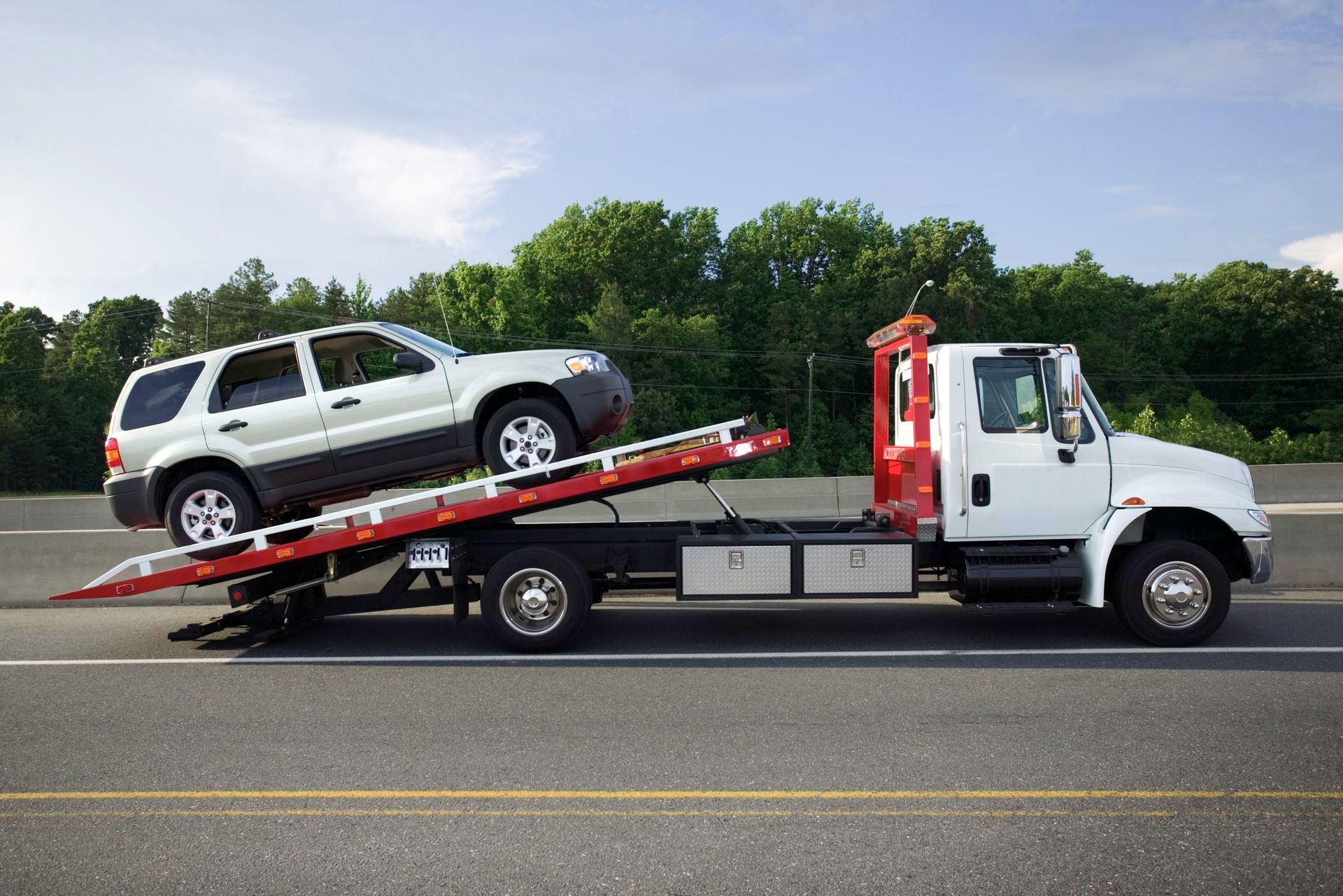
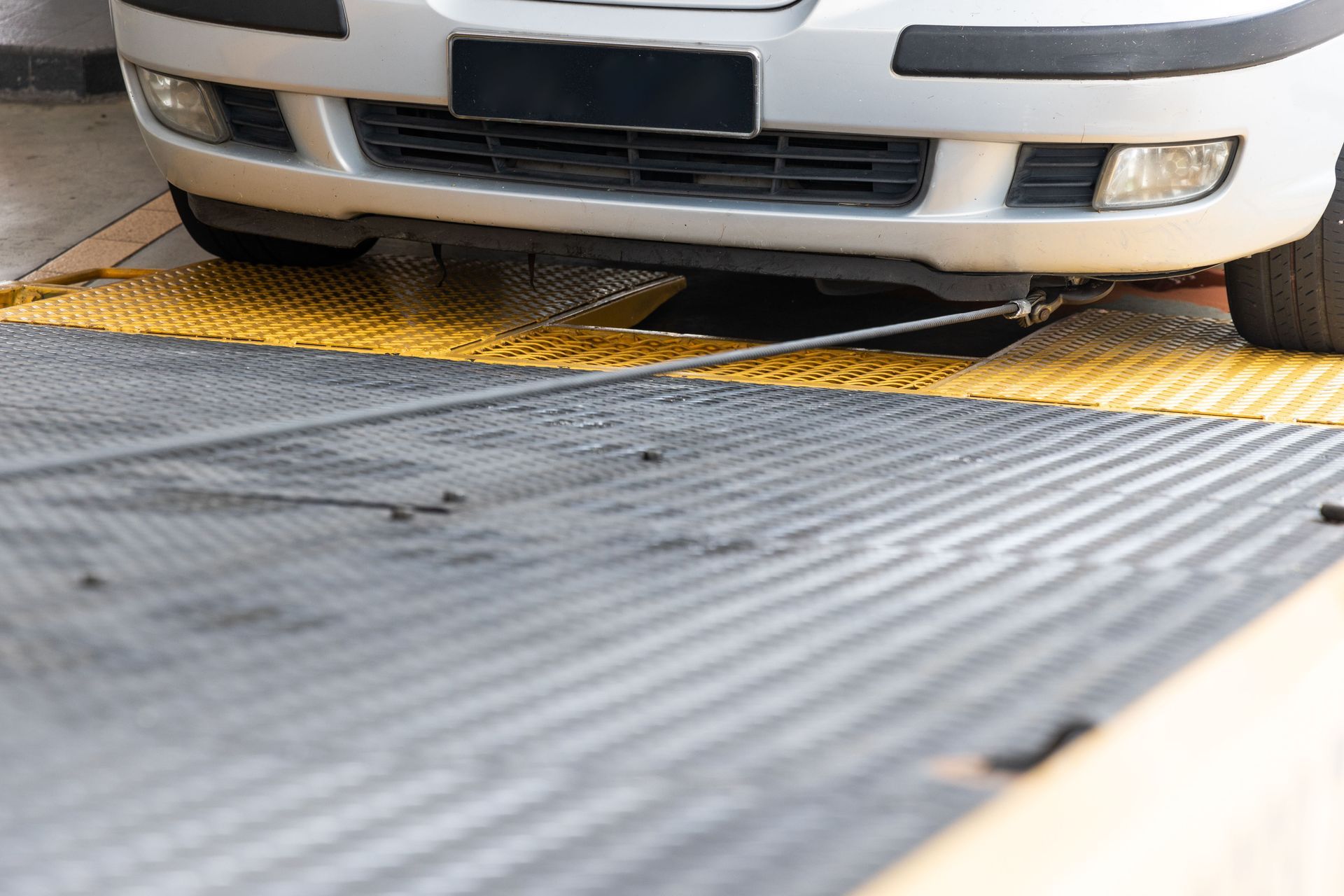
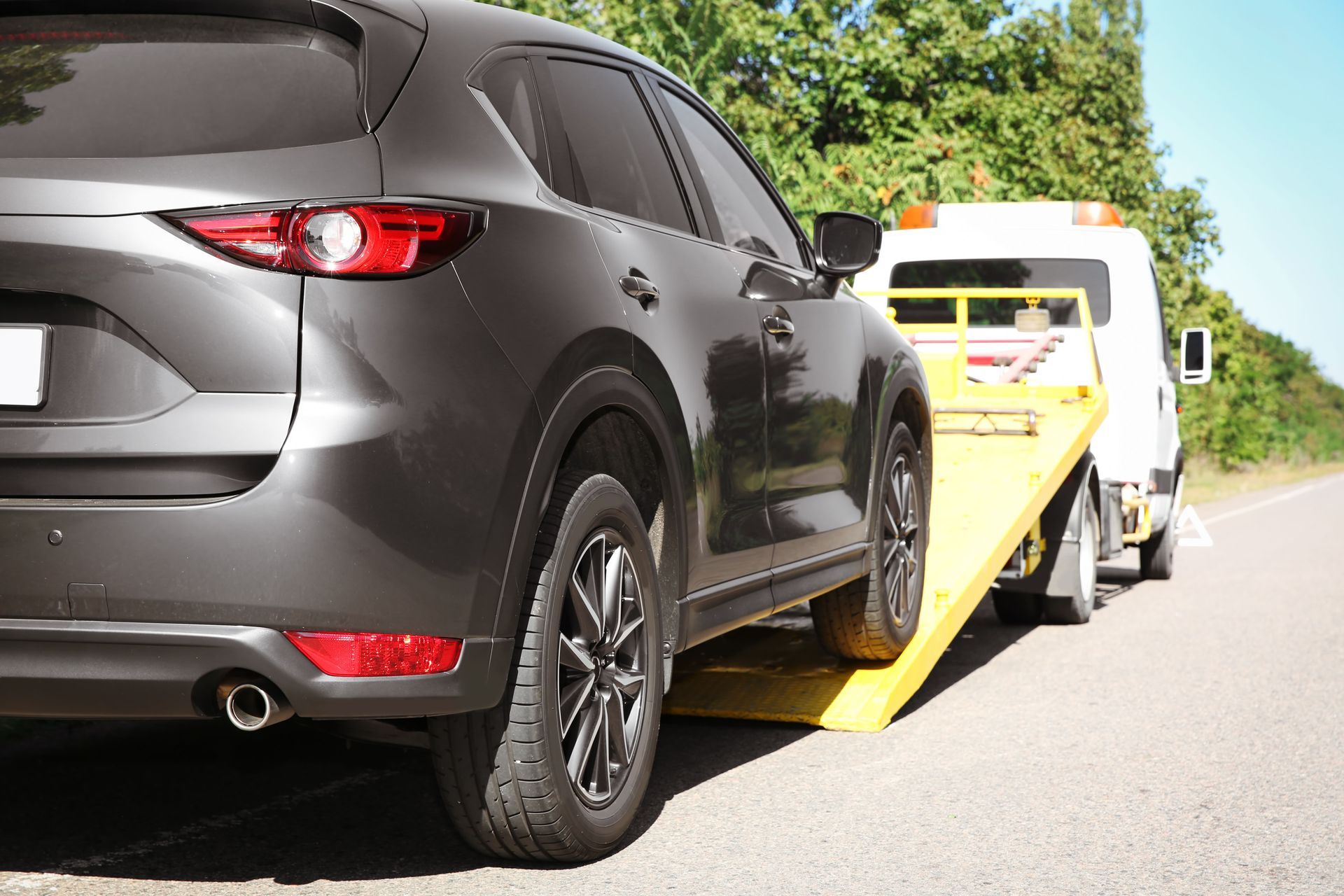
The process of safely loading your vehicle begins with the operator conducting a thorough assessment of the situation. Choosing the appropriate towing method, whether it's a flatbed or wheel-lift, is based on the vehicle type and condition. Proper alignment and secure attachment are necessary to prevent damage during loading. Experienced operators prioritize these measures, ensuring your vehicle is fastened and correctly positioned. This step is vital to safeguarding the vehicle, setting the stage for secure and successful transportation.
Once loaded, the next priority is ensuring the vehicle remains secure throughout transit. The operator reinforces the vehicle using various equipment such as chains, straps, and tow hooks, tailored to the vehicle's design and towing type. Periodic checks during transit may be necessary to maintain this security. These precautions are paramount to preventing damage or accidents, further confirming the operator's adherence to safety protocols. Trusting in these secure practices allows you to remain comfortable with the transportation phase of the towing process.
A key aspect of local towing services is recognizing the different types of tow trucks and methods. Flatbed towing offers a highly secure option, ideal for delicate or immobile vehicles, while wheel-lift towing utilizes a metal yoke to lift and transport the front or rear wheels. Dolly towing offers additional support by engaging the front wheels while the rear wheels remain on the road. Understanding these variations helps in appreciating why a specific method was chosen for your situation. Each tow type is designed to maximize safety and accommodate specific vehicle conditions.
Navigating a vehicle breakdown can be a stressful experience, but understanding the structured process of
local towing services can significantly ease your anxiety. From clearly communicating your location and needs during the initial call to maintaining safety while you wait and collaborating effectively with the tow truck operator, every step is designed to prioritize your safety and secure your vehicle. While specific towing methods and wait times may vary based on your situation, being informed equips you to handle the unexpected with confidence and composure, ensuring a smooth and efficient resolution to a challenging roadside scenario. For local towing services you can count on, contact American Towing today.